Give it a good stir

Hands of man cutting carrot and onion when cooking dinner with friends

This article was first published in the September/October 2024 issue of IQ, the exclusive magazine for Mensa members. Find out more about becoming a Mensa member here.

Five kitchen mavericks who made an intelligent impact on cooking culture:

Recipes from Mum

Madhur Jaffrey (1933-today)

Global cuisine may now be ubiquitous in the UK and Ireland but it wasn’t when the young Madhur Jaffrey moved to London in 1955 to study as an actress at RADA.

Missing food from her home in Delhi, her mother sent her recipes as she had no experience of cooking. A successful film and television acting career in the UK and US followed, while a passion for cooking developed. The director Ismail Merchant persuaded Madhur to promote the film Shakespeare Wallah by treating a New York Times food critic to a feast of kofta, stuffed peppers and raita. Her culinary reputation grew and, for many, she is now best known for her cookery books and TV shows – starting with An Invitation to Indian Cookery, first published in 1973.


What, no aubergines?!

Elizabeth David (1913-1992)

Any supermarket worth its salt today stocks olive oil, garlic and aubergines, but when Elizabeth David published A Book of Mediterranean Food in 1950 it included these ingredients and others that her readers had barely heard of. With her love of Mediterranean dishes, fresh produce and unfussy cooking, she inspired many future chefs, such as Jamie Oliver. After studying art in Paris, she ran off with a married man to Italy, Greece and then Egypt. After the excitement of exploring the cuisines of these countries, Elizabeth returned to post-war England, where rationing was still in place. Dismayed by what people were eating she started her food revolution by writing about Mediterranean cooking in magazines.


The formidable Fanny

Fanny Cradock (1909-1994)

Although she became a figure of fun in later years through her brusque manner, false eyebrows and chiffon ballgowns, Fanny Cradock pioneered the modern phenomenon of the TV chef. And it all sprang from her love of the recipes of Auguste Escoffier, whom she declared the “saviour of British cooking”. After working in restaurants and writing a food column for the Daily Telegraph, Fanny and her hen-pecked husband Johnnie developed theatrical cookery shows during which they would prepare vast meals on stage and then serve them to the audience. This led to her TV breakthrough in 1955 and many series in which she presented French-style dishes that were usually simple and economical to prepare. However dated the Fanny Cradock format appeared by the 1970s, it was one that other TV chefs, such as Delia Smith, would successfully build upon.


Cooking the books

Auguste Escoffier (1846-1935)

After sampling Auguste Escoffier’s strawberry pudding in 1913, Kaiser Wilhelm II proclaimed the Frenchman ‘the Emperor of Chefs’. Auguste remains famous today for popularising traditional French cooking, and the military-like discipline he brought to professional kitchens. Yet his career wasn’t without controversy. Working in his bullying uncle’s restaurant kitchen from the age of 12, he moved to Paris before serving as a chef with the French Army. He then moved to Monte Carlo to work for a certain César Ritz and began to develop his reputation. In 1890, Auguste and César were invited to work at the Savoy in London. Auguste delighted diners with creations such as suprêmes de volaille Jeannette and pêche Melba  (in honour of opera star Nellie Melba). The pair were sacked for fraud yet, undeterred, César went on to found his hotel chain in 1898, with Auguste bringing his flair to the kitchens.


Forever in her debt
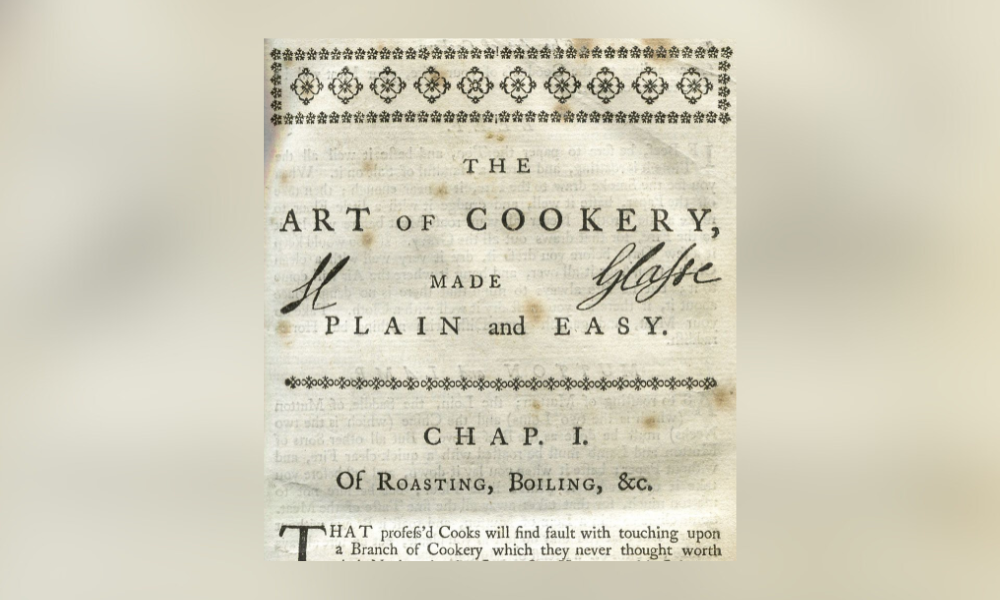
Hannah Glasse's - The Art of Cookery Made Plain and Easy, 6th Edition, 1758

Hannah Glasse (1708-1770)

The Art of Cookery Made Plain and Easy by Hannah Glasse was published in 1747, just two years after Culloden – the last military battle fought on British soil. Yet it proved a trailblazer for today’s practical cookbooks. A bestseller for more than a century, its popularity sprang from the simple language and easy-to-follow recipes. In later editions, Hannah even added novel dishes such as curry and a German-style hamburger. Like her more famous successor Mrs Beeton, she plagiarised many of the recipes in her book from other sources, but there’s no denying the mark that the Londoner made on British cooking. Despite this, her life was often a struggle. Several other books failed and a dressmaking business she set up after her husband’s death dragged her into bankruptcy and a spell in jail for unpaid debts. Little is known about the 10 years before Hannah’s death in 1770, but her book (with everything from soups and pies to wine-making) remains in print today. She was arguably, in the words of the late Clarissa Dickson Wright, “the first domestic goddess”.

Credits: Hannah Glasse’s The Art of Cookery Made Plain and Easy. Source: Chiswick Chap, Wikimedia Commons


Give it a good stir

This article was first published in the September/October 2024 issue of IQ, the exclusive magazine for Mensa members. Find out more about becoming a Mensa member here.

Five kitchen mavericks who made an intelligent impact on cooking culture:

Recipes from Mum

Madhur Jaffrey (1933-today)

Global cuisine may now be ubiquitous in the UK and Ireland but it wasn’t when the young Madhur Jaffrey moved to London in 1955 to study as an actress at RADA.

Missing food from her home in Delhi, her mother sent her recipes as she had no experience of cooking. A successful film and television acting career in the UK and US followed, while a passion for cooking developed. The director Ismail Merchant persuaded Madhur to promote the film Shakespeare Wallah by treating a New York Times food critic to a feast of kofta, stuffed peppers and raita. Her culinary reputation grew and, for many, she is now best known for her cookery books and TV shows – starting with An Invitation to Indian Cookery, first published in 1973.


What, no aubergines?!

Elizabeth David (1913-1992)

Any supermarket worth its salt today stocks olive oil, garlic and aubergines, but when Elizabeth David published A Book of Mediterranean Food in 1950 it included these ingredients and others that her readers had barely heard of. With her love of Mediterranean dishes, fresh produce and unfussy cooking, she inspired many future chefs, such as Jamie Oliver. After studying art in Paris, she ran off with a married man to Italy, Greece and then Egypt. After the excitement of exploring the cuisines of these countries, Elizabeth returned to post-war England, where rationing was still in place. Dismayed by what people were eating she started her food revolution by writing about Mediterranean cooking in magazines.


The formidable Fanny

Fanny Cradock (1909-1994)

Although she became a figure of fun in later years through her brusque manner, false eyebrows and chiffon ballgowns, Fanny Cradock pioneered the modern phenomenon of the TV chef. And it all sprang from her love of the recipes of Auguste Escoffier, whom she declared the “saviour of British cooking”. After working in restaurants and writing a food column for the Daily Telegraph, Fanny and her hen-pecked husband Johnnie developed theatrical cookery shows during which they would prepare vast meals on stage and then serve them to the audience. This led to her TV breakthrough in 1955 and many series in which she presented French-style dishes that were usually simple and economical to prepare. However dated the Fanny Cradock format appeared by the 1970s, it was one that other TV chefs, such as Delia Smith, would successfully build upon.


Cooking the books

Auguste Escoffier (1846-1935)

After sampling Auguste Escoffier’s strawberry pudding in 1913, Kaiser Wilhelm II proclaimed the Frenchman ‘the Emperor of Chefs’. Auguste remains famous today for popularising traditional French cooking, and the military-like discipline he brought to professional kitchens. Yet his career wasn’t without controversy. Working in his bullying uncle’s restaurant kitchen from the age of 12, he moved to Paris before serving as a chef with the French Army. He then moved to Monte Carlo to work for a certain César Ritz and began to develop his reputation. In 1890, Auguste and César were invited to work at the Savoy in London. Auguste delighted diners with creations such as suprêmes de volaille Jeannette and pêche Melba  (in honour of opera star Nellie Melba). The pair were sacked for fraud yet, undeterred, César went on to found his hotel chain in 1898, with Auguste bringing his flair to the kitchens.


Forever in her debt

Hannah Glasse's - The Art of Cookery Made Plain and Easy, 6th Edition, 1758

Hannah Glasse (1708-1770)

The Art of Cookery Made Plain and Easy by Hannah Glasse was published in 1747, just two years after Culloden – the last military battle fought on British soil. Yet it proved a trailblazer for today’s practical cookbooks. A bestseller for more than a century, its popularity sprang from the simple language and easy-to-follow recipes. In later editions, Hannah even added novel dishes such as curry and a German-style hamburger. Like her more famous successor Mrs Beeton, she plagiarised many of the recipes in her book from other sources, but there’s no denying the mark that the Londoner made on British cooking. Despite this, her life was often a struggle. Several other books failed and a dressmaking business she set up after her husband’s death dragged her into bankruptcy and a spell in jail for unpaid debts. Little is known about the 10 years before Hannah’s death in 1770, but her book (with everything from soups and pies to wine-making) remains in print today. She was arguably, in the words of the late Clarissa Dickson Wright, “the first domestic goddess”.

Credits: Hannah Glasse’s The Art of Cookery Made Plain and Easy. Source: Chiswick Chap, Wikimedia Commons


Related Resources

Got What it Takes

Take the Mensa IQ Test to see if you have what it takes to join the world’s highest IQ society.

Share this online